FAIR USE VS FAIR DEALING: A COMPARATIVE STUDY IN THE DIGITAL ERA
Subjects/Theme:
Digital, Law, FoodDescription
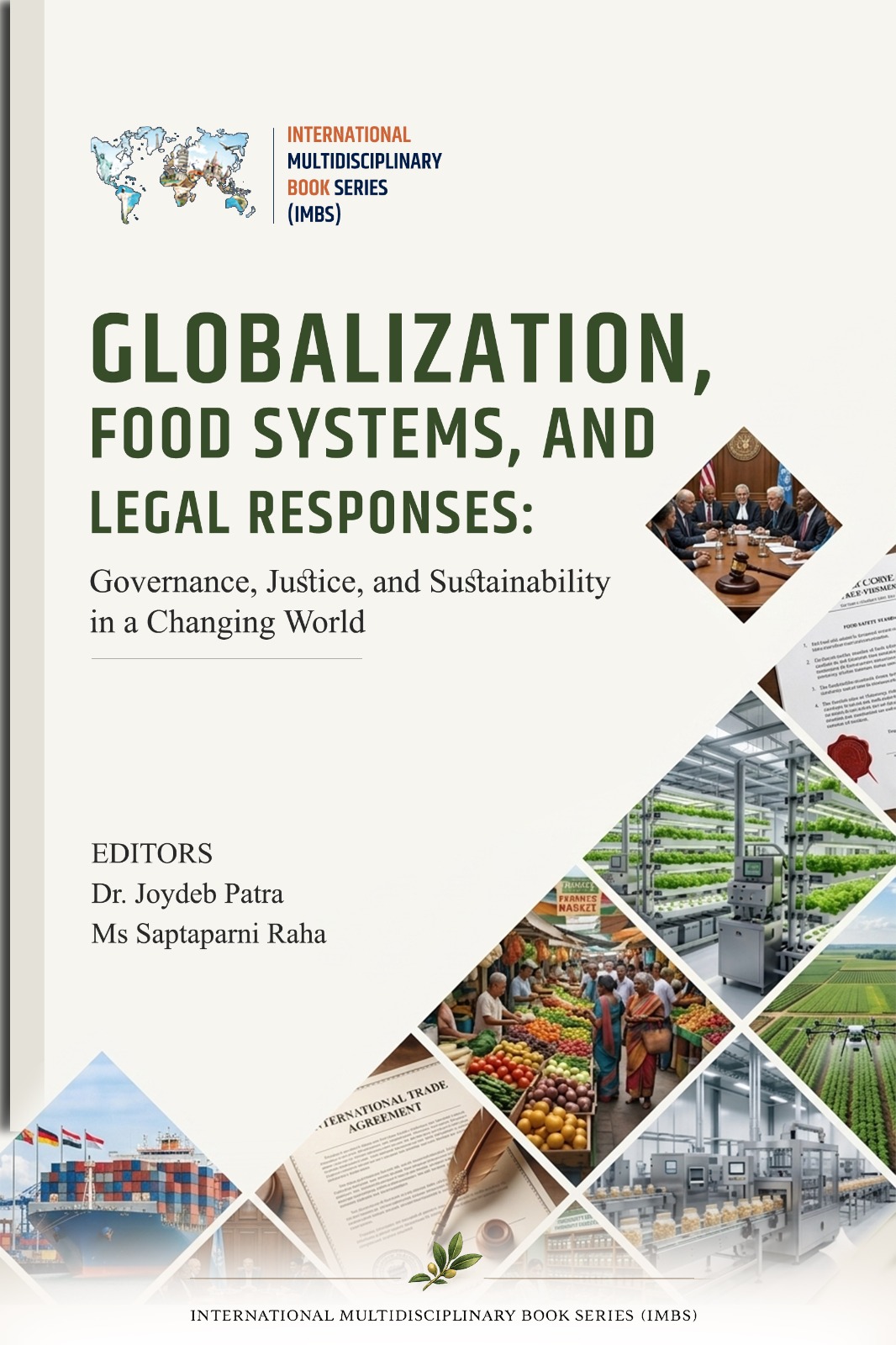
Globalization, Food Systems, and Legal Responses:Governance, Justice, and Sustainability in a Changing World
Edited By: Dr. Joydeb Patra, Ms. Saptaparni Raha
E-ISBN: 978-81-685212-2-3
Copyright law seeks to strike a balance between two competing interests: the rights of creators to control and profit from their works, and the public’s interest in accessing knowledge, information, and culture. To achieve this balance, legal systems across the world incorporate exceptions and limitations. Among the most significant of these are the doctrines of fair use and fair dealing (Bently et al., 2022). These doctrines allow limited use of copyrighted material without the authorization of the copyright owner. However, while they share a common objective, their scope, structure, and application differ significantly across jurisdictions. The distinction is particularly evident between the United States, which follows the doctrine of fair use, and countries like India, the United Kingdom, Canada, and Australia, which follow fair dealing (Goldstein & Hugenholtz, 2019). In the digital era—characterized by the internet, social media, artificial intelligence, and mass content sharing—the relevance of these doctrines has increased exponentially. This chapter critically examines the concepts of fair use and fair dealing, compares their legal frameworks, and evaluates their effectiveness in addressing contemporary challenges.