RIGHT TO QUALITY EDUCATION FOR THE FARMING COMMUNITY IN INDIA: ADDRESSING DISPARITIES AND PROMOTING HOLISTIC DEVELOPMENT
Description
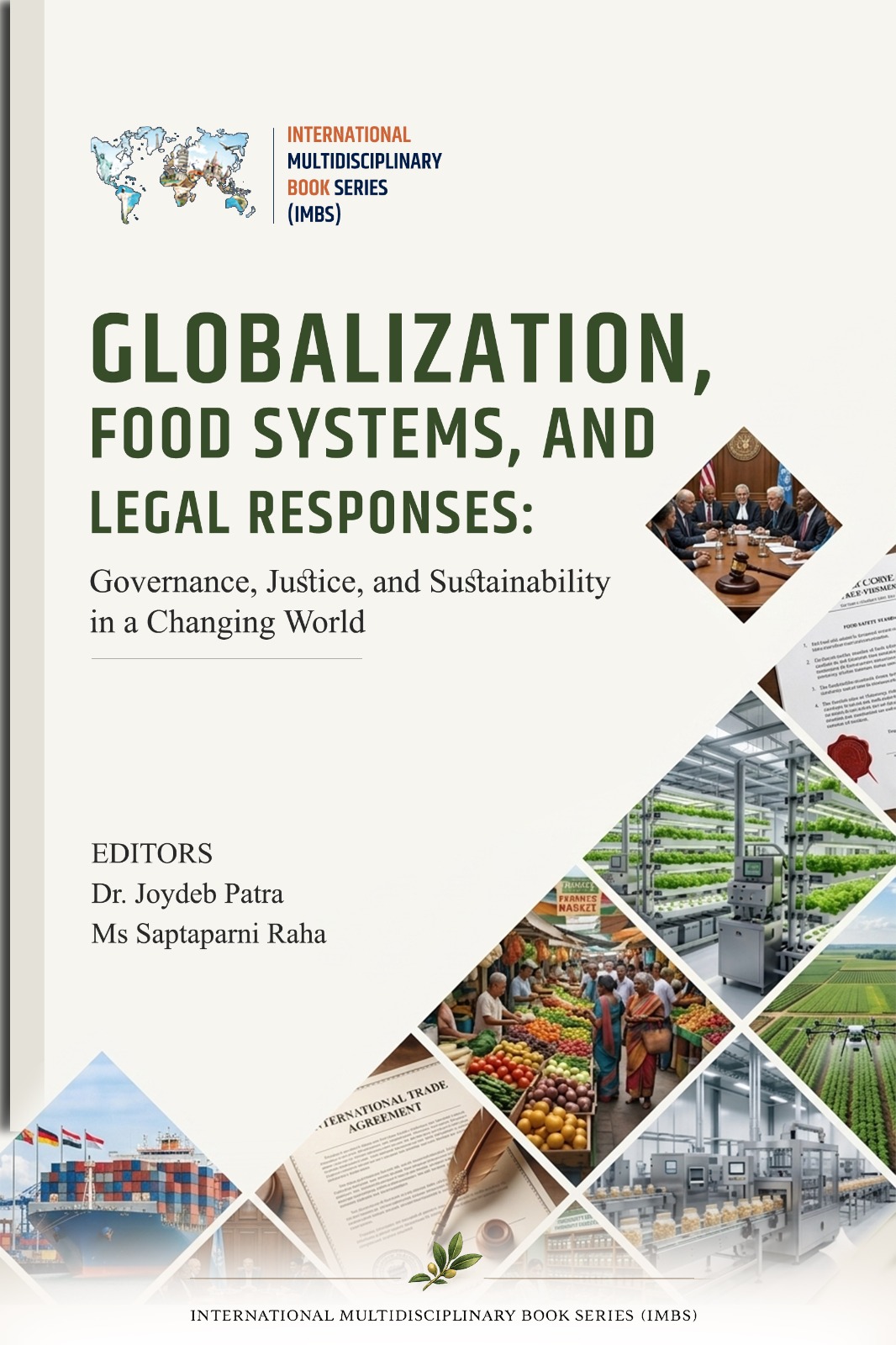
Globalization, Food Systems, and Legal Responses:Governance, Justice, and Sustainability in a Changing World
Edited By: Dr. Joydeb Patra, Ms. Saptaparni Raha
E-ISBN: 978-81-685212-2-3
The Directive Principles of State Policy of the Constitution of India, 1950, declared the right to a free elementary education to be non-justiciable. But via a number of decisions, the Supreme Court of India recognized the right as a fundamental one. In addition, the 86th Constitutional Amendment Act, 2002, passed by the Indian parliament, adds Article 21A, which recognises the right to education as a basic right. In order to effectively execute the right, the Parliament passed the Right to Education Act of 2009. The right to a quality education is not included in the Act, despite the fact that it mentions the right to education. However, the social justice principle dictates that the right to a quality education is particularly important for the society's outcasts, especially the farmers' offspring. In light of this, the study aims to support farmers' children's legal entitlement to high-quality education. Therefore, an attempt is made to thoroughly investigate the standards of international law, the Indian legal system, and the judicial decisions that continue to uphold the right of children of farmers to high-quality education. The study will further clarify the National Education Policy, 2020 in light of the conflicting demands of the right against child work and the right to basic education.