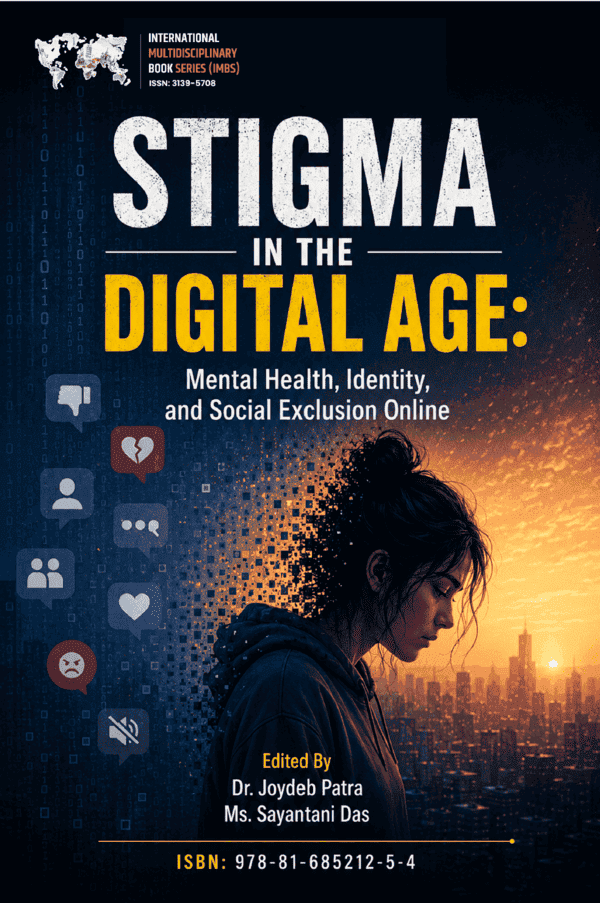
CYBERBULLYING, SOCIAL STIGMA, AND THE LAW: A SOCIO-LEGAL ANALYSIS OF PSYCHOLOGICAL HARM IN DIGITAL SPACES
Subjects/Theme:
Cyberbullying; Psychological Harm; Social Stigma; Socio-Legal Analysis; Digital JusticeDescription
Cyberbullying is now a rapidly growing socio-legal issue that has significant psychological, social and human rights implications for both the aggressors and victims of digital bullying. Cyberbullying is fundamentally different from the traditional kinds of bullying as it can be anonymous, permanent, scalable, and amplified by algorithms; allowing people to spread hurtful content very quickly on digital platforms and place the person who has been bullied under constant scrutiny and social stigma. This chapter looks at cyberbullying from a socio-legal perspective by examining the interplay between psychological harm, social exclusion and the current state of the law's reaction(s) to cyberbullying. It is based on interdisciplinary research in law, psychology, criminology, sociology and public health and examines the impact of digital abuse on feelings of anxiety, depression, post-traumatic stress disorder, self-harm, reputational harm and social marginalisation in the long-term. The chapter also examines international human rights standards and various comparative legal systems of the United Kingdom, Australia, the United States, the European Union, and Bangladesh and discusses the ongoing issues regarding jurisdiction, evidence, accountability of platforms, and compensation for psychological harm. It suggests that the current framework of laws is disjointed and inadequate to deal with the unique nature of technology-related abuse, especially in cases where emotional and psychological victimisation are the main types of victimisation. The chapter suggests a socially-law-based approach which takes into account various identified gaps, such as the need for legislative change, training judges in trauma-informed methods, platform accountability, digital literacy, mental health assistance and strengthened international collaboration. It is clear that there is a need to protect the feelings of dignity, privacy, equality and psychological integrity of persons from cyberbullying, in order to enhance legal action against the digital harm, while preserving freedom of expression in a more and more interdependent society, through an interdisciplinary and victim-centred approach.