ASSESSING THE TRANSFORMATIONS FROM GURUKUL TO GOOGLE: A SOCIOLOGICAL STUDY OF PEDAGOGICAL SHIFTS AND SOCIAL ACCESS IN INDIAN EDUCATION
Subjects/Theme:
SOCIOLOGICAL STUDYDescription
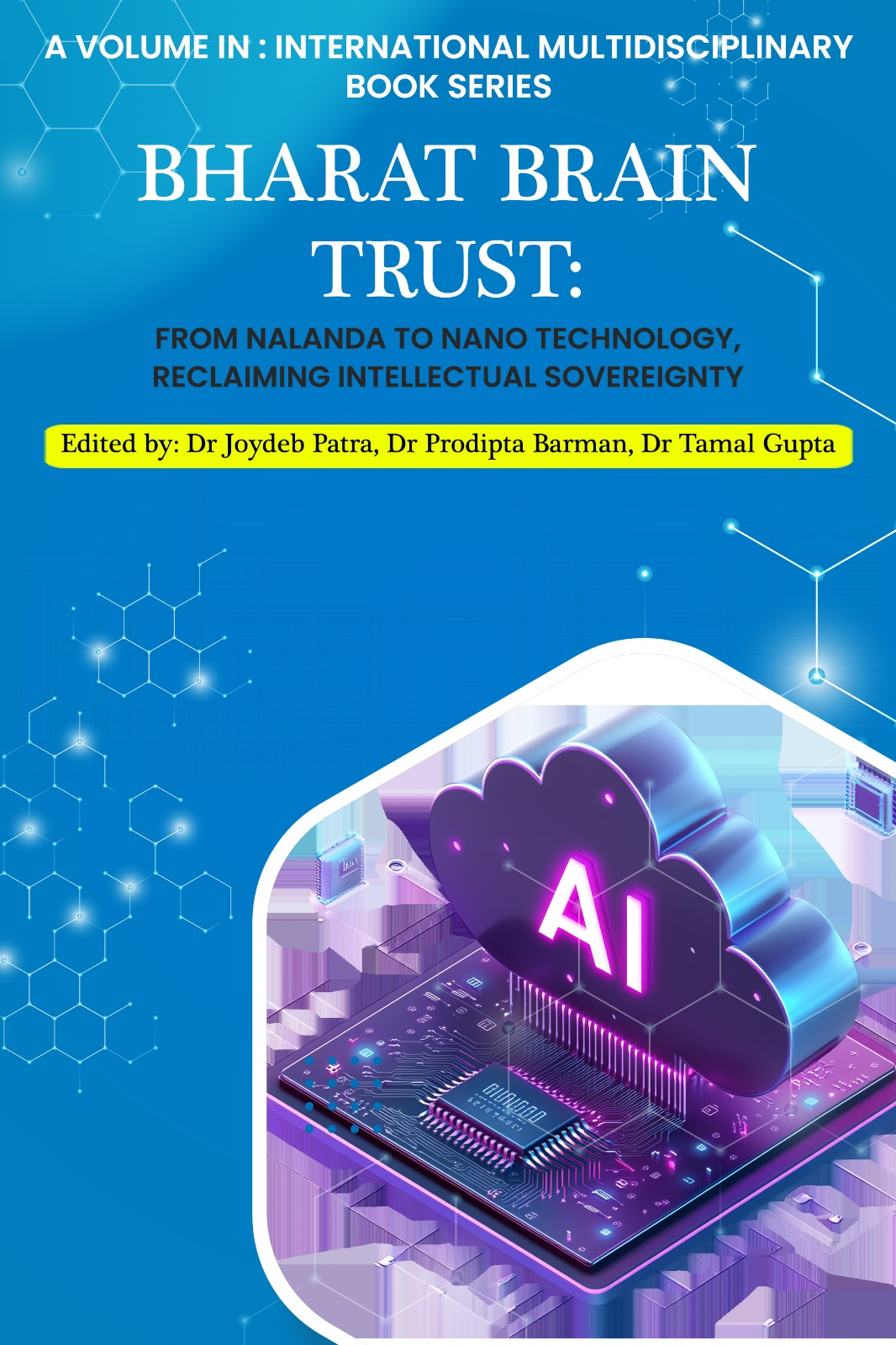
Bharat Brain Trust,
Edited By: Dr. Joydeb Patra, Dr. Prodipta Barman, Dr. Tamal Gupta
DOI: https://doi.org/10.69889/IMBS.978-81-965700-1-9
ISBN: 978-81-965700-1-9
The Indian education system has undergone significant transformations over the centuries, from the ancient Gurukul system to the modern digital era. The Gurukul system, which dates back to the Vedic period, was characterized by a personalized and holistic approach to learning, where students lived with their gurus and learned through experiential and oral traditions. In contrast, the modern Indian education system has been shaped by colonialism, globalization, and technological advancements, leading to a complex and diverse educational landscape. In recent years, the Indian government has launched several initiatives to promote digital education, such as the Digital India program and online learning platforms like Swayam and Diksha. These initiatives aim to increase access to quality education, particularly for marginalized communities and remote areas. However, despite these efforts, the Indian education system continues to face significant challenges, including inadequate infrastructure, teacher shortages, and social inequalities.